

Southeast Asian States Advance Biosafety, Biosecurity and BWC Implementation at Regional Workshop in Guangzhou
Guangzhou, China — 20 November 2025.
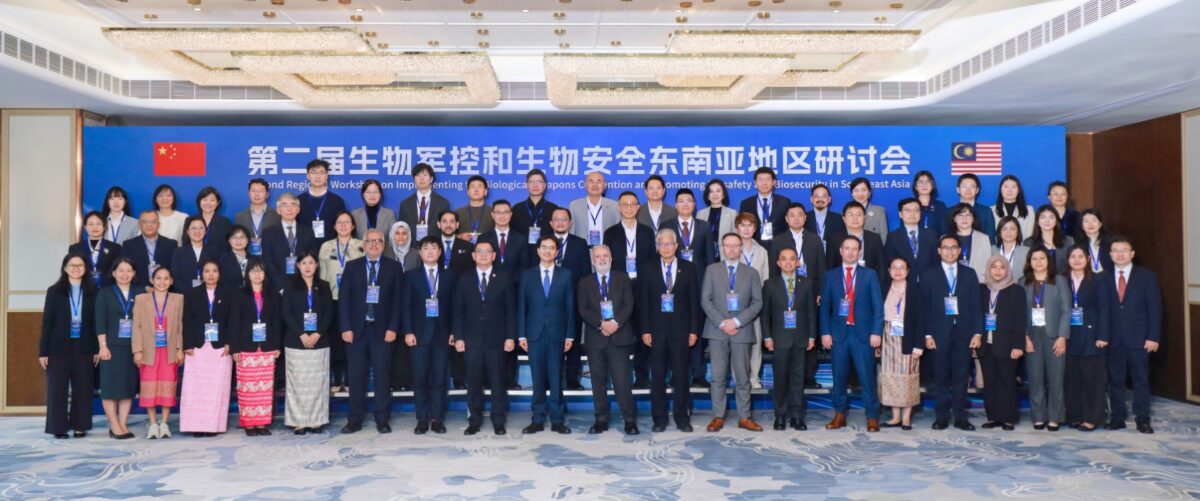
From 18 to 20 November, government officials and technical experts from across Southeast Asia convened in Guangzhou for the Second Regional Workshop on Implementing the Biological Weapons Convention (BWC) and Promoting Biosafety and Biosecurity in Southeast Asia. The workshop was co-hosted by the Governments of China and Malaysia, with support from the United Nations Office for Disarmament Affairs (UNODA) through the BWC Implementation Support Unit (BWC-ISU) and the Regional Centre for Peace and Disarmament in Asia and the Pacific (UNRCPD).
The event brought together participants from 11 States — Brunei Darussalam, Cambodia, China, Indonesia, Lao PDR, Malaysia, Myanmar, Singapore, Thailand, Timor-Leste and Viet Nam — alongside representatives from key international organizations, including WHO, WOAH, FAO and UNIDIR. The Chairperson and Friends of the Chair of the BWC Working Group on Strengthening the Convention also participated, linking regional perspectives to the ongoing global discussions.
Promoting Effective BWC Implementation and Strengthening the Convention
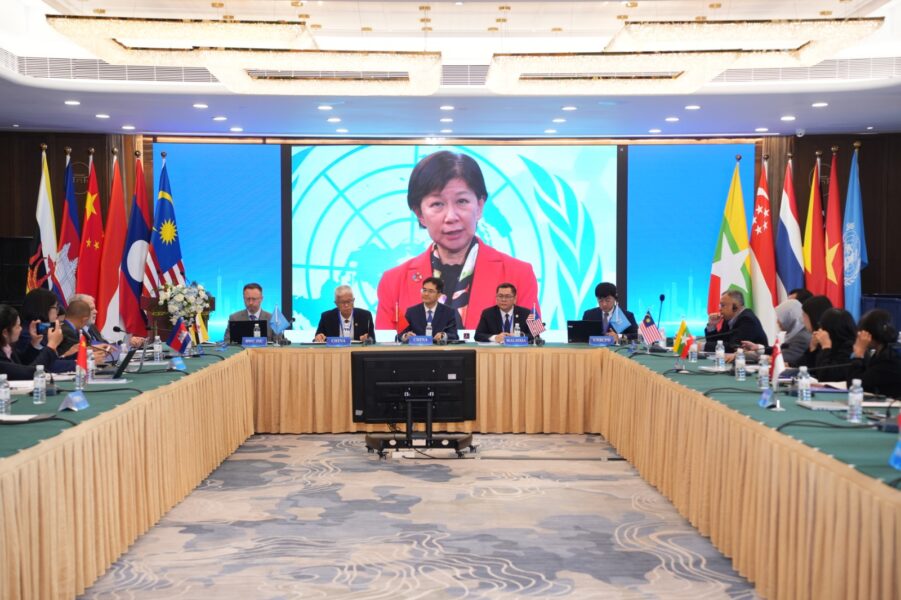
The workshop opened with welcoming remarks by representatives of China and Malaysia, as host countries, and a pre-recorded message from the UN High Representative for Disarmament Affairs, Ms. Izumi Nakamitsu. Speakers highlighted the importance of strengthening biosafety and biosecurity in a rapidly evolving biological landscape and reaffirmed the central role of the BWC in prohibiting biological weapons and advancing international cooperation.
The first day focused on reinforcing national implementation of the BWC. Sessions featured updates from the BWC ISU, UNIDIR and participating States on legislative, regulatory and institutional measures supporting their obligations under the Convention. Delegations exchanged experiences and identified common challenges in areas such as inter-agency coordination, capacity-building and technical resources.
A dedicated panel brought together Southeast Asian representatives with the Chairperson and Friends of the Chair of the Working Group on Strengthening the BWC. The dialogue allowed States to share perspectives on priorities for the Working Group’s final report, including strengthening assistance under Article X, advancing national implementation measures and ensuring that developing country needs are fully reflected.
Strengthening Biosafety, Biosecurity and Emergency Preparedness
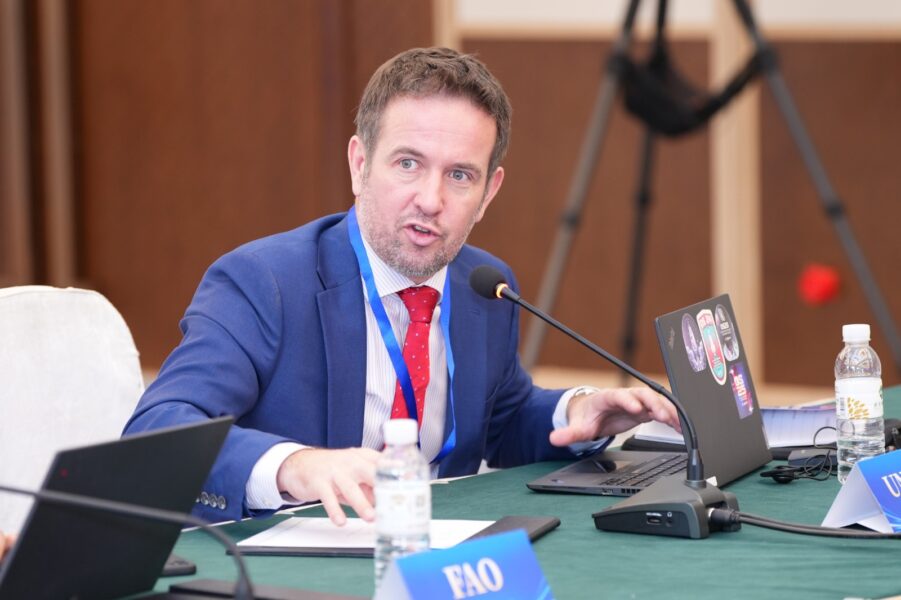
Participants also examined the biosafety and biosecurity landscape in the region, with presentations highlighting national priorities and challenges related to laboratory safety, oversight, bio-risk assessment and intersectoral collaboration. Organizations including WHO, WOAH, RSIS and China provided additional insights on regional coordination and risk-mitigation practices.
A subsequent session explored national efforts to strengthen biosafety and biosecurity frameworks. States highlighted developments in legislation, laboratory management, training, biosecurity education and cross-sectoral coordination.
Another session focused on emergency preparedness and response, where Brunei Darussalam, Cambodia, Singapore, Thailand, Vietnam and China shared experiences in outbreak detection, crisis response and scenario-based planning. Discussions underscored the need for sustained investment in preparedness capacities and enhanced coordination between the security, health and research sectors.
Participants also visited the Guangzhou International Bio Island, gaining practical insights into biosafety and biosecurity implementation in advanced research and biotechnology environments.
Enhancing Regional and International Cooperation Under Article X
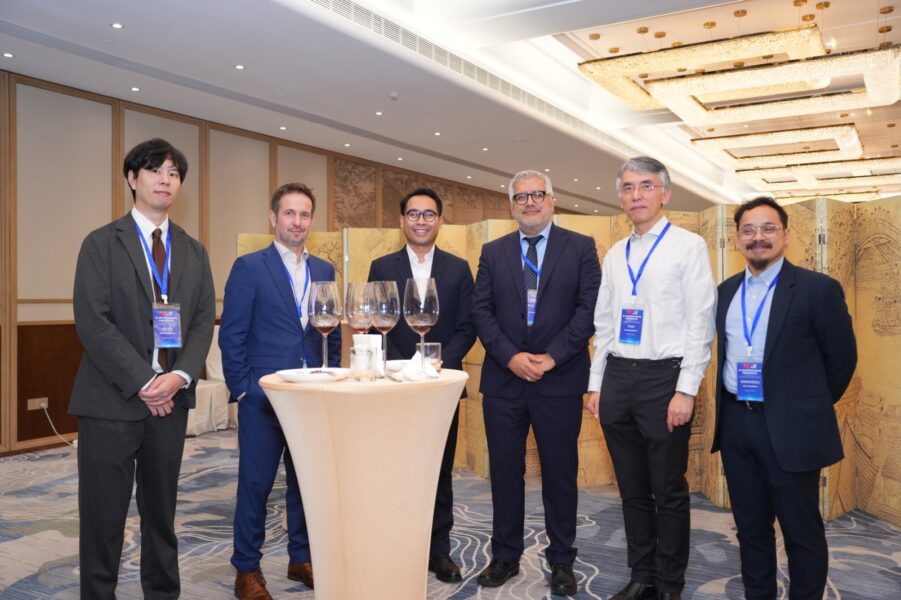
The final day focused on promoting international cooperation and assistance under Article X of the Convention. The Friend of the Chair on International Cooperation and Assistance, together with UNIDIR, the BWC ISU and Indonesia, discussed elements of the draft Working Group report and encouraged States to identify priority areas for future support.
The concluding session highlighted existing bilateral, regional and international assistance opportunities. Organizations including WHO, WOAH, FAO, China and the BWC ISU presented ongoing programmes and avenues for collaboration related to biosafety, biosecurity, risk assessment, laboratory capacity-building and emergency preparedness. Participants underscored the importance of transparent, needs-based cooperation and welcomed enhanced efforts to support developing States.
China also introduced its proposal for practical cooperation on biosafety and biosecurity within the framework of the ASEAN-China Comprehensive Strategic Partnership (2026–2030), an initiative welcomed by participating States as a means to strengthen regional governance and technical capacity.
Reaffirming Commitment to Collective Action
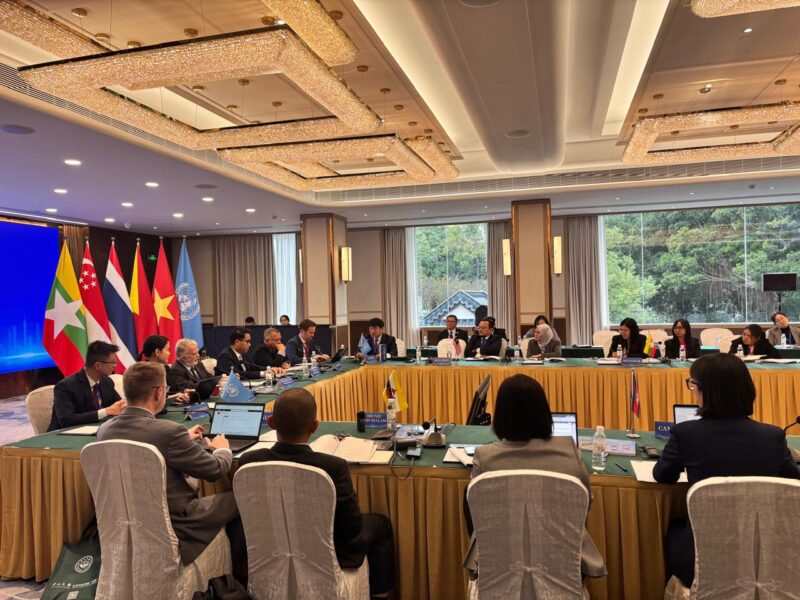
In their Co-Chairs’ Summary, the Co-Chairs noted that the participating States reaffirmed the importance of strengthening cooperation to enhance national biosafety and biosecurity, supporting global governance efforts, and upholding the purposes of the BWC. They underlined the need to integrate developing-country perspectives into multilateral processes, ensure equitable access to peaceful biological technologies, and promote responsible scientific conduct, including through support for the Tianjin Biosecurity Guidelines for Codes of Conduct for Scientists.
States also agreed to explore opportunities for continued collaboration, including through regular ASEAN-China engagements, framework development, risk assessment initiatives, emergency preparedness, information-sharing and capacity-building.
Looking Ahead
The workshop strengthened regional dialogue, reinforced national efforts to implement and uphold the BWC, and deepened cooperation across Southeast Asia and with international partners. Participants emphasized that continued collaboration, sustained capacity-building and inclusive multilateral engagement will be critical for addressing evolving biological risks and ensuring that advances in biotechnology are used solely for peaceful purposes.
UNODA, through the BWC ISU and UNRCPD, will continue to support regional and national initiatives to promote effective BWC implementation and strengthen biosafety and biosecurity in Southeast Asia.
For more information, please contact unrcpd-info@un.org.