Youth Art, Dialogue and Skills Workshops for a Nuclear-Weapon-Free Southeast Asia
Marking 30 Years of the Southeast Asia Nuclear Weapons Free Zone Treaty (The Treaty of Bangkok)
BANGKOK - 15-17 December 2025
On the morning of 15 December, the halls of Thailand’s Ministry of Foreign Affairs filled with something one does not often see at disarmament commemorations: youth artworks.
Through the "Envisioning a World Free from Nuclear Weapons", a Youth Multimedia Arts Competition, photographs, films, and digital art—created by young people from across Southeast Asia—set the tone for a three-day programme marking the 30th anniversary of the Treaty on the Southeast Asia Nuclear-Weapon-Free Zone (Bangkok Treaty).
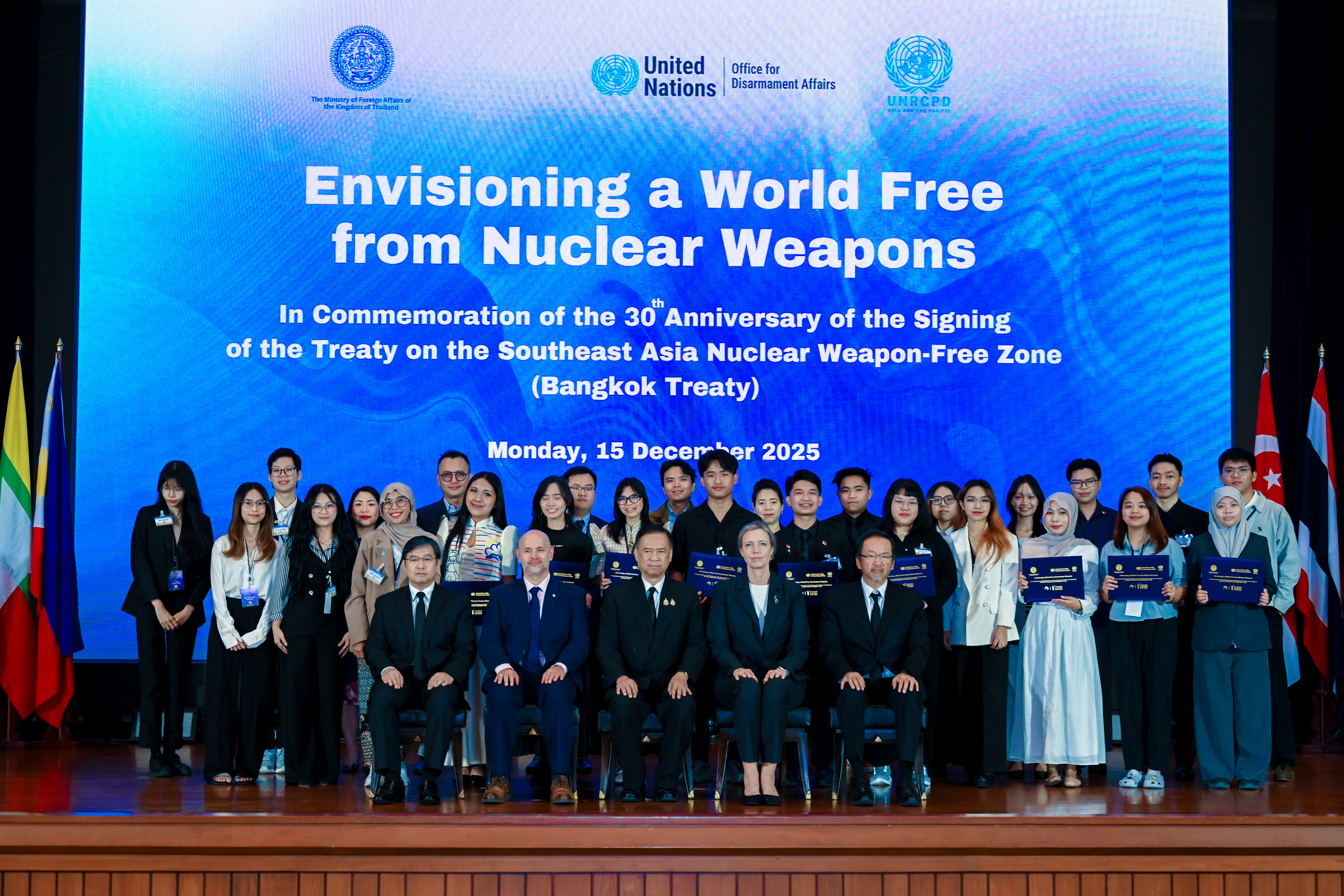
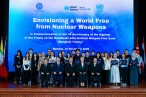
[Photo 1] Youth competition winners and Youth Leader Fund participants, together with representatives of the Ministry of Foreign Affairs of Thailand, UNODA/UNRCPD, the UN Resident Coordinator’s Office in Thailand, and the Government of Japan, marking the 30th anniversary of the Bangkok Treaty (SEANWFZ)
Convened by the United Nations Office for Disarmament Affairs (UNODA) through the United Nations Regional Centre for Peace and Disarmament in Asia and the Pacific (UNRCPD), in partnership with the Ministry of Foreign Affairs of the Kingdom of Thailand, the programme brought together officials, diplomats, UN entities, civil society, and young leaders to reflect on three decades of regional commitment to keeping Southeast Asia nuclear-weapon-free—and to explore what it will take to carry that commitment forward.
Held as a regional element of the Youth Leader Fund for a World without Nuclear Weapons (YLF)—generously funded by the Government of Japan), the initiative invited young people to translate disarmament principles into stories that the public can see, feel, and remember. A central feature of the commemoration was the Youth Multimedia Arts Exhibition, showcasing winning works from the regional competition, “Envisioning a World Free from Nuclear Weapons.” The in-person programme brought together 21 youth participants, including competition winners and YLF participants, representing six ASEAN Member States.
Day 1 | Youth voices at the center of the commemoration
Day 1 opened at the Ministry of Foreign Affairs of Thailand with the official commemoration marking 30 years of a nuclear-weapon-free Southeast Asia. The programme featured contributions from Mr. Vijavat Isarabhakdi (Vice Minister for Foreign Affairs of the Kingdom of Thailand), video remarks by Mr. Adedeji Ebo (Director and Deputy to the High Representative for Disarmament Affairs, UNODA)—introduced by Ms. Michaela Friberg-Storey (United Nations Resident Coordinator in Thailand)—and Mr. Otaka Masato (Ambassador of Japan to Thailand). The awards ceremony and the opening of the youth exhibition followed.
The programme continued with a briefing series that connected global and regional disarmament priorities with youth perspectives, featuring: “Global Security in Perspective: An Overview of Disarmament,” “ASEAN and the Bangkok Treaty: A Regional Anchor for Peace,” and “Youth in Focus: Building Inclusive and Resilient Societies.” For many youth participants, the day set a clear message: their works and ideas were not an add-on—they were part of the commemoration’s core.
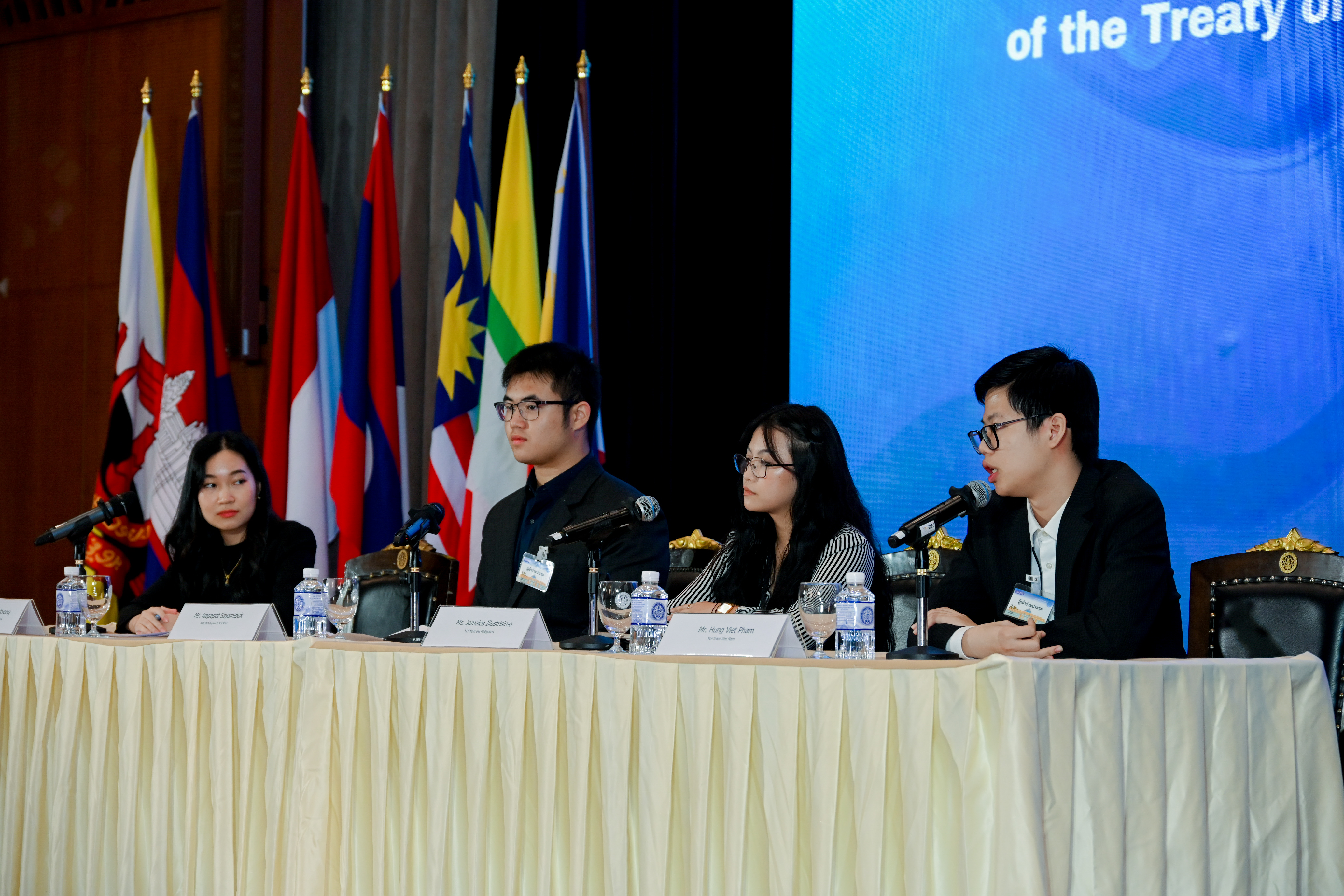
[Photo 2] Youth-in-Focus briefing session with Youth Leader Fund (YLF) participants during the Bangkok Treaty 30th anniversary commemoration
In the afternoon, ASEAN youth participants visited the Ramathibodi–IAEA Rays of Hope Anchor Centre and attended a briefing on Radiation Uses in Medicine. One youth participant, Antonia Quitoriano Buyser (Philippines), reflected that the visit showed them the “rays of hope”—how nuclear science can save lives and improve healthcare—offering a tangible reminder that “nuclear” can also mean healing, not only harm.
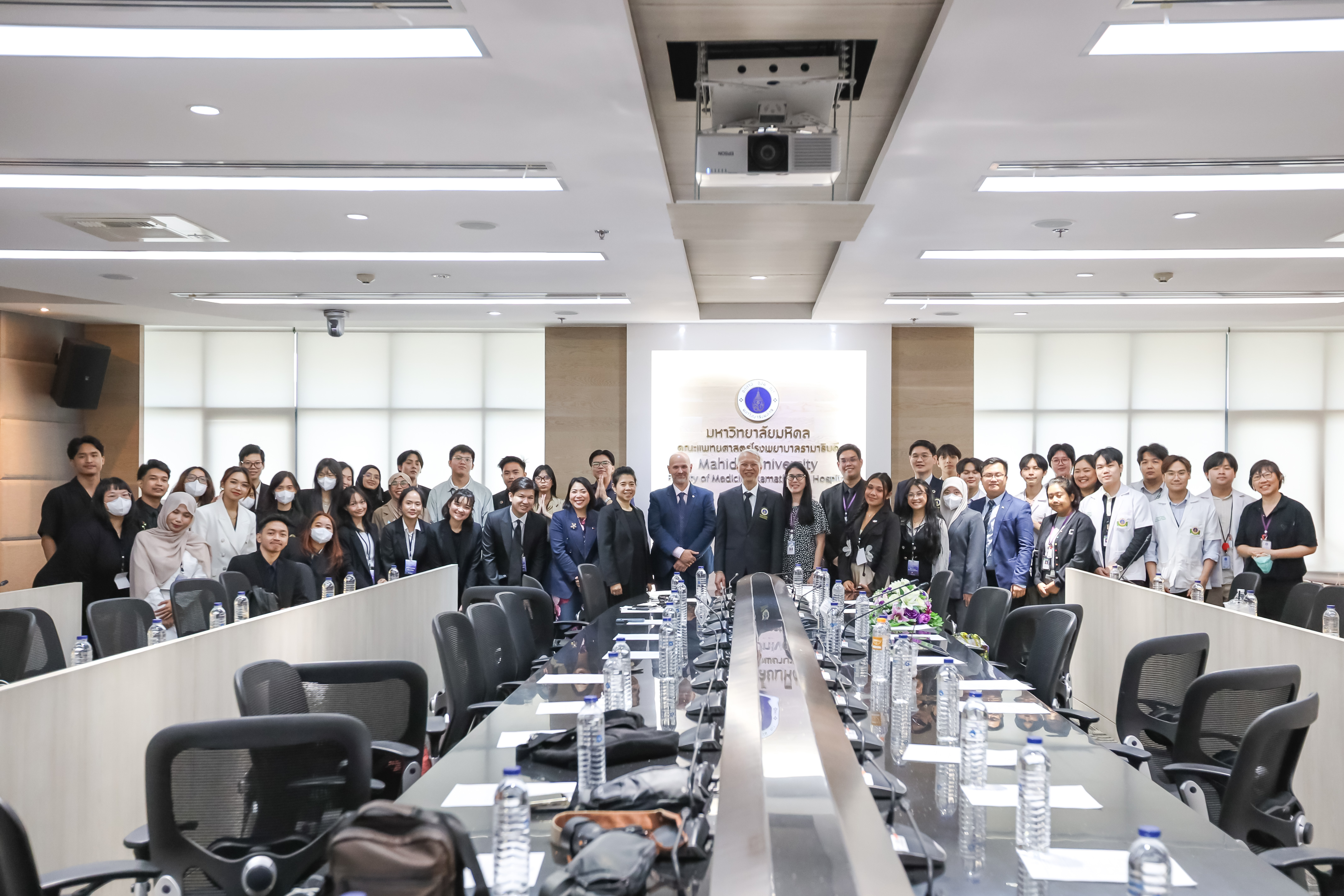
[Photo 3] Site visit and briefing at the Ramathibodi–IAEA Rays of Hope Anchor Centre, (Ramathibodi Hospital)
Day 2 | Turning big ideas into public messages
If Day 1 focused on why disarmament matters, Day 2 focused on how to advocate for it. Sessions explored strategic messaging and public engagement around the SDGs, including social media for development and communicating complex issues to wider audiences. Discussions also examined youth participation and ASEAN regional trends, linking disarmament with inclusion, development, and prevention.
The morning featured expert inputs from Mr. Sompot Suphutthamongkhon (ESCAP) on Communicating the SDGs: Public Engagement and Strategic Messaging, Ms. Veronika Verner (ESCAP) on Social Media for Development, and Ms. Marte Hellema (UNDP Regional Hub) on Youth Participation, YPS, and Development Trends in ASEAN.
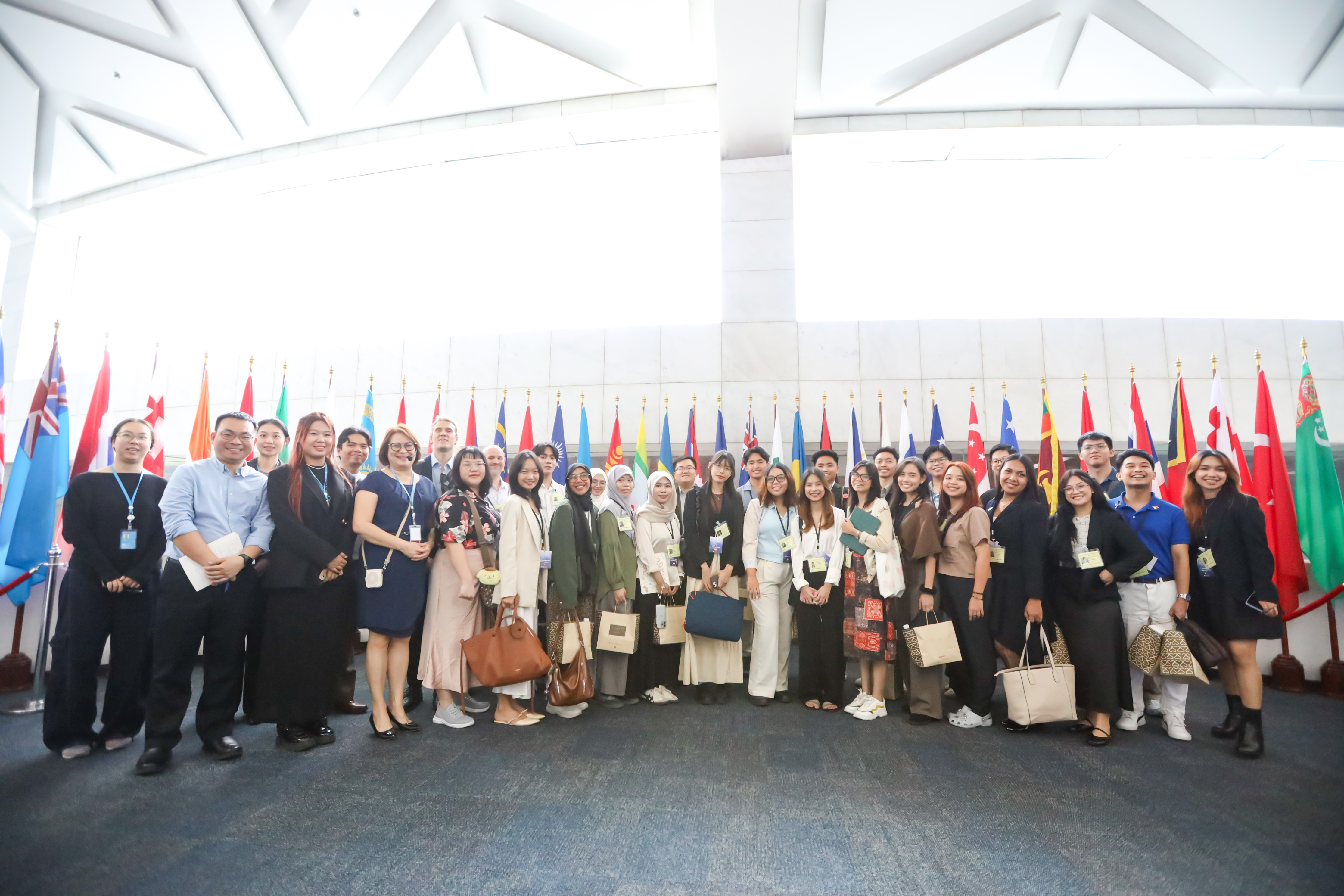
[Photo 4] Visit and guided tour of the UN ESCAP campus in Bangkok, Thailand
Participants then moved to the UN ESCAP campus for a session led by Ms. Iwona Spytkowski (UN Resident Coordinator’s Office in Thailand) on the role of the UN Resident Coordinator system, followed by a tour facilitated by Ms. Antika Preeyanon. The afternoon included a youth activity hosted by the Bangkok Metropolitan Administration (BMA), featuring a briefing and site visit on urban development and public space revitalization. The day concluded with a cultural visit, providing participants time to reflect and continue peer exchange beyond the formal sessions.
Day 3 | Creative Labs, storytelling, and youth multimedia showcase
Day 3 shifted into skills-building and mentorship, supporting the youth to strengthen the tools needed for public communication and advocacy on disarmament. The day opened with Creative Labs on “Disarmament Through Expression,” including a session by Mr. Martin San Diego, independent documentary photographer, on visual storytelling and photo documentaries. To support inclusive participation, one youth participant who was unable to travel to Bangkok joined the sessions virtually.
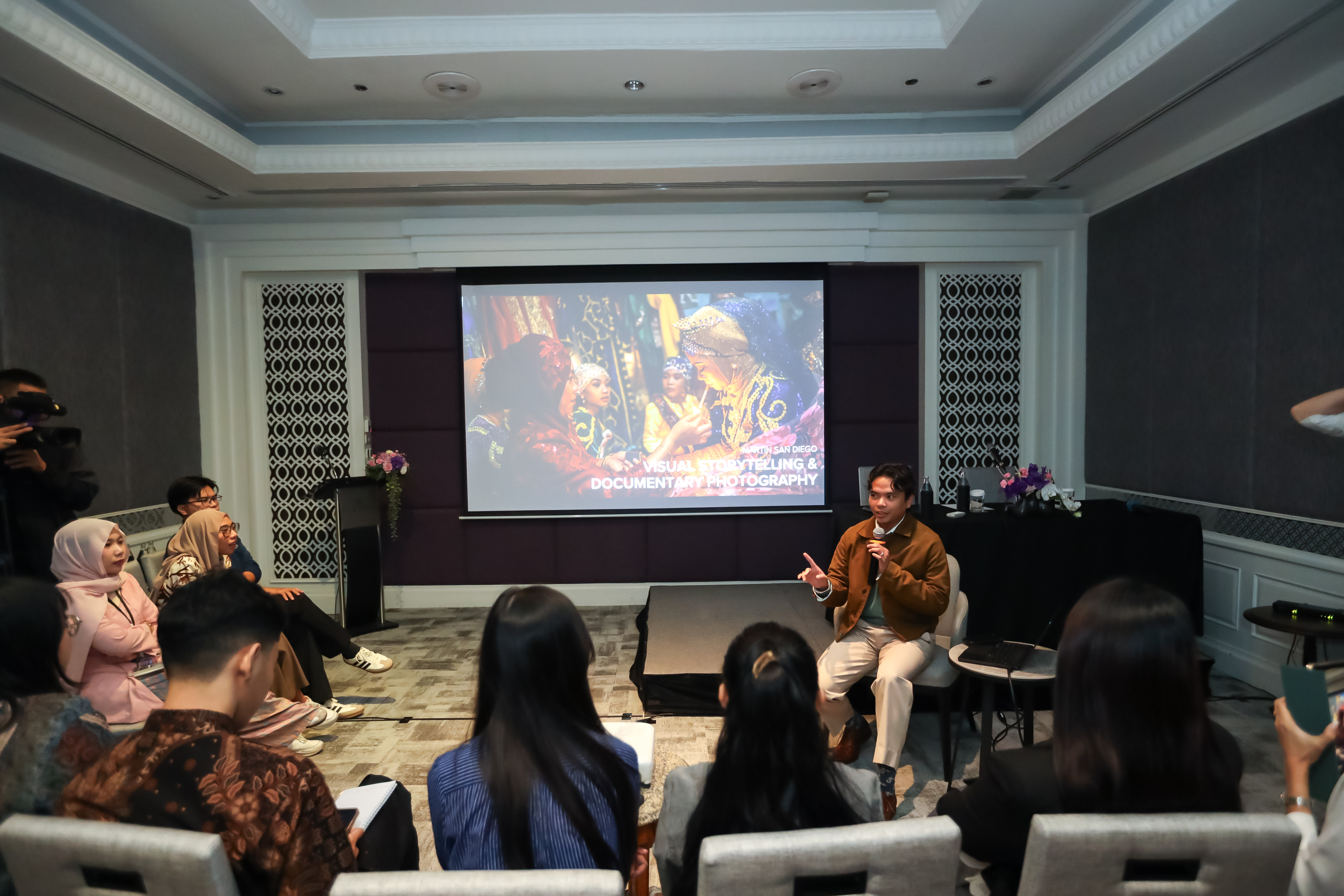
[Photo 5] Creative Lab on visual storytelling and documentary photography, led by Mr. Martin San Diego
Participants then joined mentorship-focused workshops to refine ideas and translate complex concepts into accessible, public-facing narratives. Sessions covered creative writing for impact (facilitated by Mr. Deepayan Basu Ray, UNODA/UNRCPD) and a roundtable on strategic communication and message framing (facilitated by Mr. Quoc Thai Ly (YLF), Mr. Donato Guido Loforese (UNODA/UNRCPD), and Ms. Racquel Gertrude Correa (UNODA/UNRCPD)).
The afternoon featured a screening and reflection session—“Voices for a Nuclear-Weapon-Free World”—showcasing youth-made short films and multimedia works, followed by a dialogue with creators and experts. The exchange underscored the programme’s emphasis on learning, peer connection, and youth-led expression. Prince Loyd Besorio (Philippines) reflected that it was “incredibly empowering” to share their work with peers, adding that the panel-style discussion helped participants explore the inspirations behind their pieces and turn creative efforts into a shared learning experience.
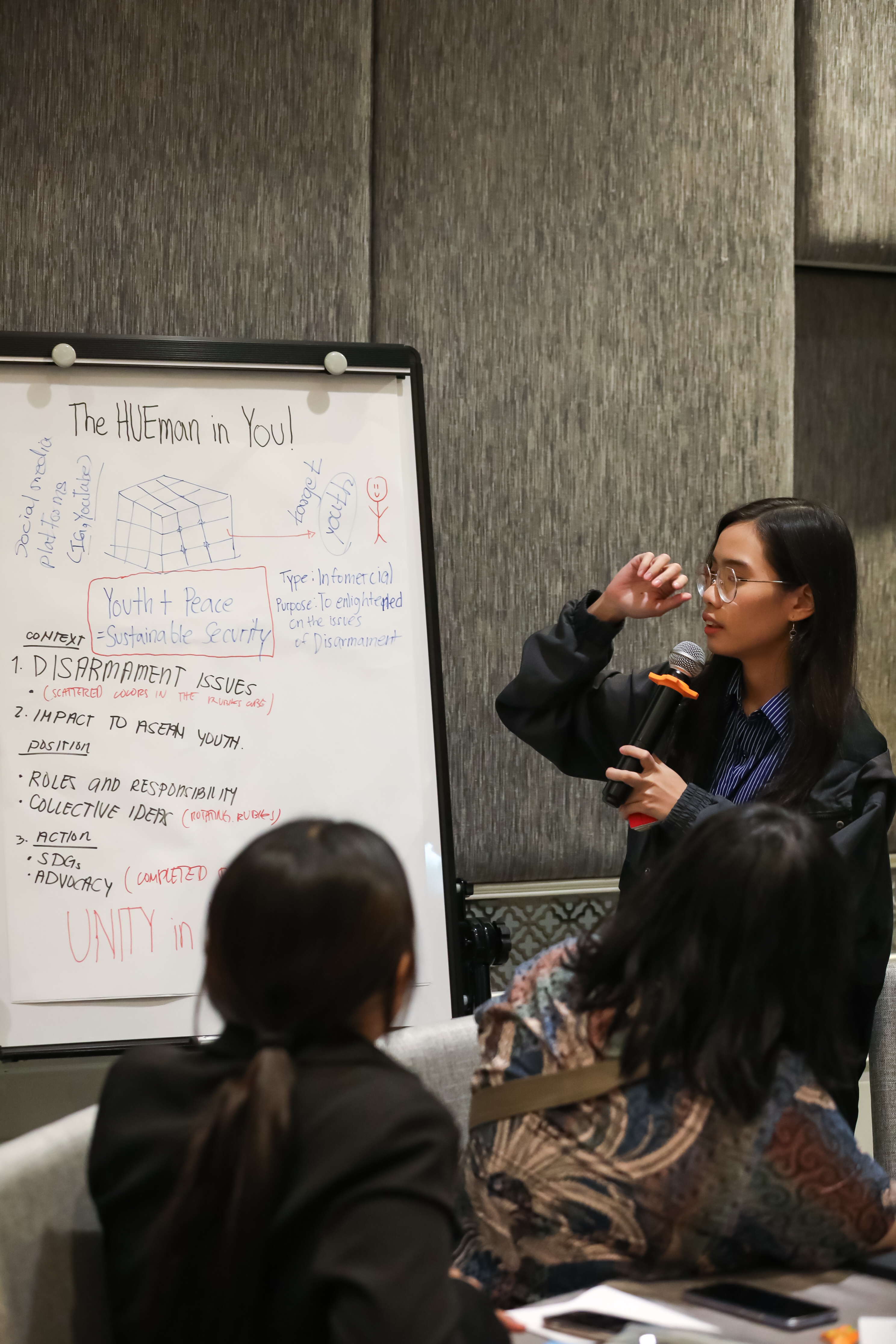
[Photo 6] Youth mentorship session on strategic communication and message framing during the in-person programme
Reflecting on the experience, Clarissa Sherly (Indonesia) shared that she valued the opportunity to engage directly with experts and peers, and found the recognition of youth voices “especially meaningful,” describing the overall atmosphere as “inclusive, inspiring, and intellectually stimulating.”
Sakulkarn Krainara (Thailand) also noted that the programme demonstrated how narratives can be used responsibly to raise awareness, build critical thinking, and contribute to peacebuilding—while encouraging participants to reflect on their roles as communicators. The programme concluded with a cultural reflection visit and a farewell dinner hosted by UNODA/UNRCPD, celebrating the networks formed over three days.
Looking ahead
Beyond the Bangkok commemoration, the programme strengthened youth networks and produced powerful visual and narrative content that can support public education and advocacy on disarmament. It highlighted the continued relevance of the Bangkok Treaty as a regional anchor for peace and cooperation, while highlighting the value of youth leadership and creative expression in advancing disarmament education and public engagement
Building on this momentum, the winning entries will be featured in a follow-on exhibition at United Nations Headquarters during the NPT Review Conference (May 2026), extending Southeast Asian youth voices to a global audience.
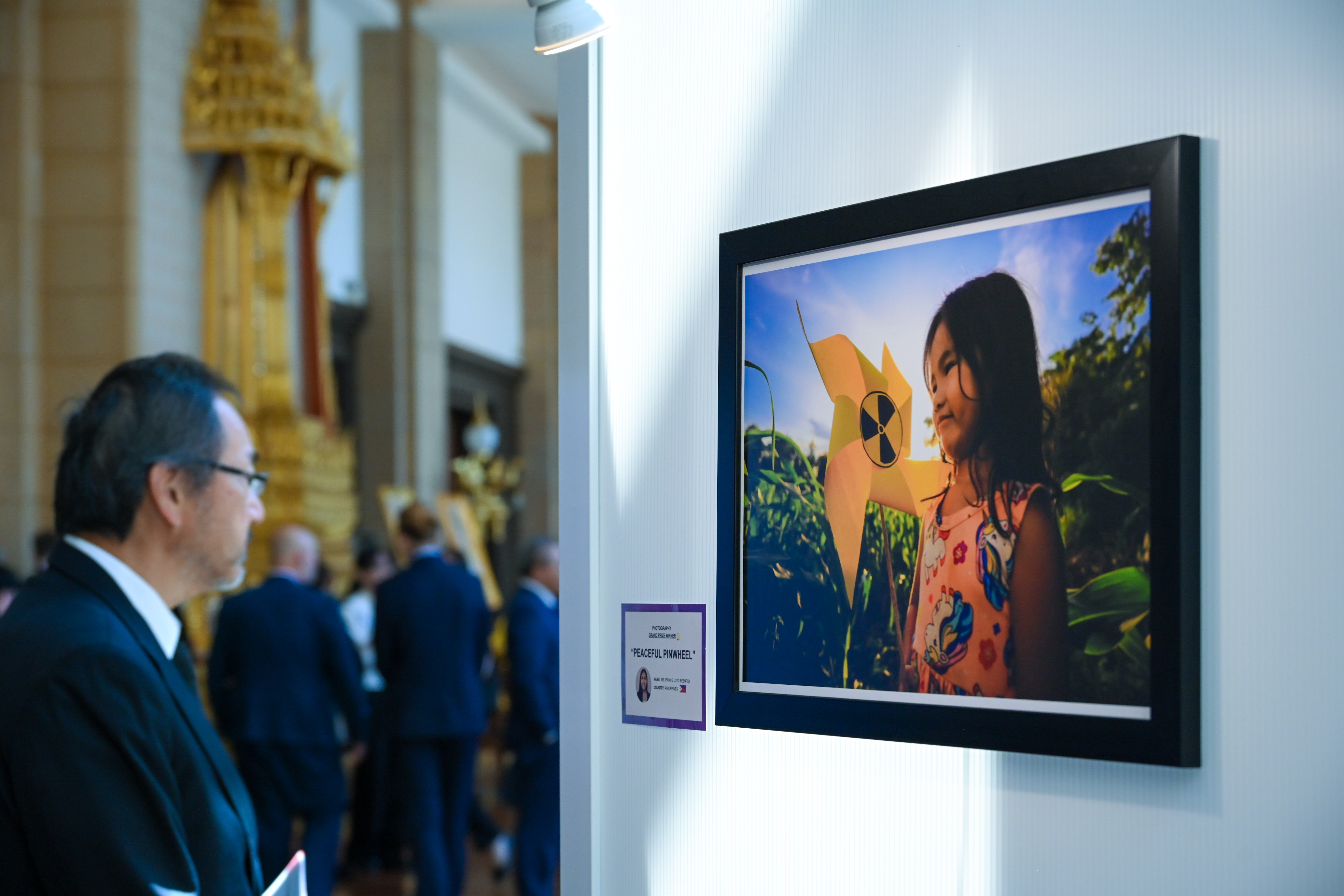
[Photo 7] Youth Multimedia Arts Exhibition at the Ministry of Foreign Affairs of Thailand (Bangkok, December 2025)
For more information, please contact unrcpd-info@un.org.